


Posted on December 15 2025
Which intake is the best to study in Australia

By , Editor
Updated December 16 2025
The February intake is the best intake to study in Australia for international students. It is the main academic intake and offers the widest range of courses, better scholarship availability, and more opportunities for part-time work and internships. Starting in February also allows students to follow the full academic calendar, making it easier to settle into university life and manage their studies effectively.
With Australia planning around 295,000 new international student commencements in 2026, competition for admissions is increasing. Applying for the February intake gives students a higher chance of securing their preferred course and a smoother visa process. The July intake is a practical alternative for those who miss February deadlines, while the November intake is suitable for limited or specialised programmes. Overall, February provides the best balance of course choice, academic stability, and career opportunities.
*Want to study in Australia? Let Y-Axis help you through every step of the process
How Many Intakes are there in Australia for International Students?
There are three main study intakes in Australia for international students: February, July, and November. These intakes allow students to choose a start time based on course availability, admission timelines, and personal readiness.
1. February intake
The main academic intake in Australia with the most opportunities for international students. It offers the widest range of courses, better access to scholarships, and strong availability of accommodation and student services. Students also benefit from smoother academic progression and greater exposure to part-time jobs and internships.
2. July intake
A good alternative for students who miss the February intake. It provides good availability of popular programmes and is suitable for those who need extra preparation time. While course options are slightly fewer than February, it still offers balanced competition and quality learning opportunities.
3. November intake
A limited intake mainly suitable for specific or short-term programmes. It is offered by fewer universities and has restricted course options. This intake works best for flexible or late applicants and for selected pathway or diploma courses.
Why February Intake Is Most Preferred by International Students?
The February intake is the most preferred intake to study in Australia because it offers the best overall start for international students. As the main academic intake, it provides access to the widest range of courses, more scholarship opportunities, and better availability of accommodation and campus support services.
Students who begin in February follow the full academic calendar, making it easier to adapt to university life and plan their studies without disruption. This intake also offers increased access to part-time jobs and internships, helping students gain practical experience while studying.
Compared to other study intakes in Australia, the February intake provides stronger academic continuity, smoother progression through semesters, and better long-term study planning. It remains the most suitable choice for students seeking stability, flexibility, and quality education experience in Australia.
How to Choose the Right Intake to Study in Australia?
Choosing the right intake depends on your academic goals, preparation level, and when you are ready to begin your studies. The best option is the intake that aligns with your course availability and gives you enough time for applications, document preparation, and visa processing.
For most international students, the February intake is the best choice due to its wider course availability and higher scholarship access. The July intake is a strong alternative for those who need additional time to prepare, while the November intake is suitable for limited or specialised programmes.
Application Timeline for Australia Intakes:
Understanding the application timeline for study intakes in Australia helps you apply on time and avoid last-minute stress. International students should start preparing documents and applications several months before their chosen intake.
|
Intake |
Application Period |
Course Start |
|
February Intake (Semester 1) |
August – November (previous year) |
Late February / Early March |
|
July Intake (Semester 2) |
February – April |
Late July |
|
November Intake (Limited) |
July – August |
November |
Key Factors to Consider When Choosing an Intake:
Each Australia study intake offers different levels of course availability, competition, and scholarship access. Comparing them helps you decide which intake best suits your goals.
|
Intake |
Course Availability |
Chances of Admission |
Scholarship Opportunities |
|
February |
Very high |
Balanced |
High |
|
July |
High |
Good |
Medium |
|
November |
Limited |
High |
Limited |
* Planning to study in Australia? Sign up with Y-Axis to guide you with the process.
Top Universities for February and July Intakes in Australia
Most international students prefer universities that offer admissions during the February and July intakes, as these are the main study intakes in Australia with the widest range of courses and better academic flexibility.
These universities allow students to select a suitable start date while benefiting from strong academic standards, global recognition, and comprehensive student support services. Below are some of the top Australian universities that accept international students for February and July intakes:
|
QS Rank |
University |
Main Intakes |
|
19 |
The University of Melbourne |
February, July |
|
20 |
The University of New South Wales (UNSW Sydney) |
February, July |
|
25 |
The University of Sydney |
February, July |
|
32 |
Australian National University (ANU) |
February, July |
|
36 |
Monash University |
February, July, November* |
|
42 |
The University of Queensland |
February, July |
|
77 |
The University of Western Australia |
February, July |
|
82 |
Adelaide University |
February, July |
|
96 |
University of Technology Sydney (UTS) |
February, July, November* |
|
125 |
RMIT University |
February, July, November* |
Eligibility Requirements for Australia Intakes for International Students
To apply for any study intake in Australia, international students must meet the eligibility criteria set by Australian universities and the Department of Home Affairs. While requirements may vary depending on the chosen course and institution, the core conditions remain consistent across all major Australia study intakes.
International students must meet the following requirements:
- Hold the required academic qualifications for the selected course and study level
- Provide proof of English proficiency through IELTS, PTE, TOEFL, or another approved test
- Show sufficient financial capacity to cover tuition fees, living costs, and Overseas Student Health Cover (OSHC)
- Possess a valid passport and obtain a Confirmation of Enrolment (CoE) from the institution
- Submit a Genuine Student (GS) statement as part of the visa process
- Meet Australian health and character requirements
Step-by-Step Application Process for Australia Intakes
Following a clear process helps international students apply smoothly for their preferred Australia study intake and avoid unnecessary delays.
Step 1: Choose your preferred course, university, and intake (February, July, or November)
Step 2: Check eligibility criteria and intake-specific deadlines
Step 3: Prepare required academic and English language documents
Step 4: Submit your application to the selected university
Step 5: Receive your offer letter
Step 6: Accept the offer and receive your Confirmation of Enrolment (CoE)
Step 7: Prepare required financial and visa documents
Step 8: Apply for the Australian student visa
*Are you looking for step-by-step assistance for Australia intake? Contact Y-Axis, the world’s No.1 overseas immigration consultancy, for end-to-end support!
Top Courses to Study for Main Intakes in Australia
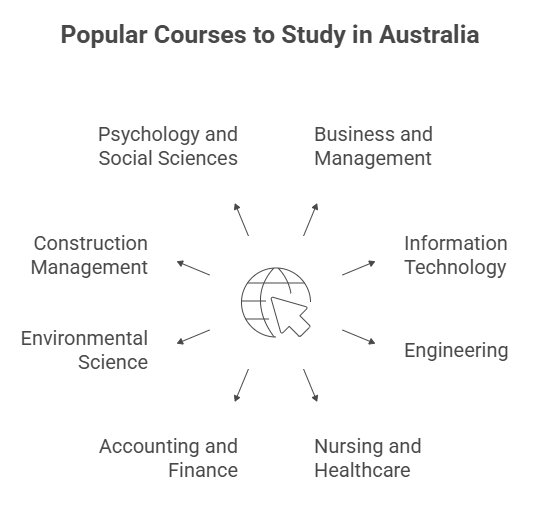
Australia offers a wide range of industry-focused programmes for international students, known for strong career outcomes and global recognition. These courses are popular because they align with current job market demands and provide good post-study work opportunities.
Some of the most in-demand courses for international students include:
- Business and Management
- Information Technology and Data Science
- Engineering
- Nursing and Healthcare
- Accounting and Finance
- Environmental Science and Sustainability
- Construction and Project Management
- Psychology and Social Sciences
Which Intake Offers More Scholarships in Australia?
The February intake offers the most scholarship opportunities for international students in Australia. As the main academic intake, universities release their largest funding allocations during this period, giving access to a wider range of financial support.
Major scholarships available during the February intake include the Australia Awards Scholarship, Destination Australia Scholarship, Melbourne International Scholarship, Sydney International Scholarship, and Monash International Merit Scholarship, offered by top universities such as the University of Melbourne, University of Sydney, Monash University, ANU, and the University of Queensland.
While the July intake offers fewer scholarship options, the November intake has very limited funding due to restricted course availability. For students seeking maximum financial support, February remains the most suitable option.
*Need guidance on scholarships and applications? Get expert help from Y-Axis.
FAQs
Which intake is the best to study in Australia for international students?
The February intake is widely considered the best intake to study in Australia for international students. It is the main academic intake and offers the widest range of courses, universities, and scholarship opportunities. Most Australian institutions release their full programme list during this period, making it easier to secure preferred courses. Compared to other study intakes in Australia, February provides smoother academic progression, stronger campus integration, and better access to student support services. International students also benefit from improved accommodation availability and enhanced career networking opportunities, making it the most recommended Australia intake.
How many study intakes in Australia are available for international students?
There are three main study intakes in Australia for international students: February, July, and November. The February intake is the primary and most popular, followed by the July intake as a secondary option. The November intake is limited and mainly supports foundation or diploma programmes. These intakes for international students in Australia differ in terms of course availability, admission competition, and scholarship opportunities. Understanding the differences between Australia study intakes helps students choose the most suitable option.
Is February intake always the best intake to study in Australia?
While the February intake is generally the best intake to study in Australia, it may not suit every international student. It offers the widest course availability and scholarship opportunities, making it ideal for most applicants. However, students who need extra preparation time for entrance exams or documentation may find the July intake more convenient. When comparing all study intakes in Australia, February consistently provides the best academic structure and exposure.
What are the advantages of February intake in Australia?
The February intake in Australia offers maximum course options, stronger academic progression, and higher availability of scholarships for international students. It aligns with the beginning of the academic year, helping students settle smoothly into campus life. Compared to other Australia study intakes, this intake provides better networking opportunities, access to internships, and comprehensive student support services. These advantages make it the best intake to study in Australia for students seeking a structured and rewarding academic experience.
Is July intake good for international students in Australia?
Yes, the July intake is a good option for international students who miss the February application deadlines or require additional preparation time. Although course availability is slightly limited compared to the main intake, many popular programmes remain accessible. Among the study intakes in Australia, July offers reduced competition and flexibility. While not the best intake to study in Australia, it is still a practical and reliable choice for many students.
What is the November intake in Australia used for?
The November intake is less common and mainly supports pathway programmes, foundation courses, and select vocational studies. It is suitable for students seeking quick entry or bridging options. Compared to the main study intakes in Australia, this intake has limited course availability and fewer scholarship opportunities. Although not ideal for mainstream degrees, it can still serve specific academic needs for international students.
Which intake is best for scholarships in Australia?
The February intake is the best option for scholarships in Australia for international students. Most universities allocate significant scholarship funds during this main intake cycle. Students applying during this period gain access to merit-based and course-specific financial support. Compared to other Australia study intakes, February offers higher chances of securing funding, making it the preferred option for students aiming to reduce tuition costs.
When should international students apply for Australia intakes?
International students should begin their application process 6 to 10 months before their chosen intake. For those targeting the best intake to study in Australia, especially February, starting early improves admission and visa approval chances. Early planning also supports scholarship applications and accommodation arrangements. Understanding timelines for study intakes in Australia helps students avoid delays and secure preferred universities.
Which intake is best for Australia student visa approval?
The February intake often provides smoother Australia student visa processing due to organised academic schedules and higher application volumes. Authorities are well-prepared for this intake, leading to more predictable processing timelines. Applying early for this intake increases approval success. Although visas are processed for all study intakes in Australia, February remains the most reliable option.
How to choose the best intake to study in Australia?
Choosing the best intake to study in Australia depends on course availability, academic readiness, financial planning, and visa timelines. February is ideal for maximum opportunities, July offers flexibility, and November suits limited or pathway programmes. International students should evaluate their goals and deadlines carefully. Understanding different study intakes in Australia ensures a smoother and more successful admission journey.
Tags:
Australia study intakes
best intake to study in Australia
intakes for international students
Australia February intake
July intake Australia
Australia student visa planning
study in Australia guide
Share
Latest Article
Popular Post
Trending Article

Posted On September 29 2026
Top 10 Countries for Prompt Engineers to Work Abroad: Salary, Demand & PR Opportunities Compared