

Posted on December 15 2025
10 Best Countries to get Permanent Residency After Studying in Australia

By , Editor & Director
Updated December 16 2025
Top countries offering PR after studying in Australia include Canada, New Zealand, the UK, Germany, Ireland, the Netherlands, Sweden, the United States, France and the UAE. Canada remains the most popular option and is set to welcome over 1.1 million permanent residents by 2027 through pathways like Express Entry and PNP. New Zealand and the UK also provide structured post-study pathways, especially in fields like IT, healthcare, engineering, trades and education.
Germany and the Netherlands are strong options with EU Blue Card routes, high salaries and skill shortages. These countries recognise Australian qualifications and offer faster PR processing, making them appealing for long-term settlement.
*Want to settle abroad after studying in Australia? Let Y-Axis help you through the process.
How to Choose the Best Country for Permanent Residency (PR) After Studying in Australia?
Choosing the best country for PR after studying in Australia depends on your skills, eligibility, and long-term career goals. Each country has different requirements, processing times, and skilled migration pathways, so comparing key factors will help you make the right decision based on your profile.
Key factors to consider for Permanent Residency:
- Check whether your occupation is on the country’s skilled shortage list
- Availability of clear PR pathways like Express Entry or Skilled Migrant programs
- Language test requirements and scoring
- Post-study work rights to gain required experience
- Cost of living, salary potential, and long-term lifestyle benefits
Best 10 Countries to Get Permanent Residency (PR) After Studying in Australia
Many international graduates explore other countries offering clearer or faster PR pathways. After studying in Australia, here are some of the most popular destinations that recognise Australian qualifications and skilled work experience:
1. Canada
Canada offers one of the most transparent PR systems through Express Entry and Provincial Nominee Programs (PNP). Australian qualifications, English scores, and skilled experience are highly valued, making the process simpler for graduates.
2. New Zealand
New Zealand has a similar points-based system and strong demand in areas like healthcare, trades, education and IT. Skilled work experience in Australia can help fast-track residency under the Skilled Migrant Category.
3. United Kingdom (UK)
The UK provides a clear Skilled Worker Visa pathway leading to Indefinite Leave to Remain (ILR). Sectors such as engineering, healthcare, finance, IT and teaching are consistently in shortage.
4. Germany
Germany is ideal for those in STEM, trades or engineering, offering the EU Blue Card, competitive salaries and easier permanent residency after a qualifying period.
5. Ireland
Ireland offers PR pathways through the Critical Skills Employment Permit and Graduate Employment options. English-speaking environment and strong demand in tech, healthcare and finance make it attractive.
6. Netherlands
The Netherlands offers an Orientation Year Visa for international graduates to find employment. Once employed as a Highly Skilled Migrant, the pathway to PR becomes clearer.
7. Sweden
Sweden allows graduates to stay and search for work, then apply for a skilled worker permit. Permanent residency becomes possible after long-term employment and meeting eligibility standards.
8. United States (US)
The US pathway typically requires employer sponsorship, and graduates may transition from study to skilled roles depending on eligibility. It is most suitable for advanced careers in tech, engineering, research and healthcare, where sponsorship is more viable.
9. France
France offers post-study work rights and residency permits for graduates in fields with high demand. Skilled professionals can apply for long-term residence after meeting requirements.
10. United Arab Emirates (UAE)
The UAE offers long-term residency options like the Golden Visa for skilled professionals, high-income earners, and in-demand occupations, especially in healthcare, engineering, construction and tech.
Benefits of an Australian Degree for Permanent Residency
An Australian qualification can make your PR pathway easier, both in Australia and other countries, because it’s globally recognised and aligned with skilled migration needs.
Key benefits include:
- Recognised qualification in countries like Canada, New Zealand, the UK and Germany
- Higher eligibility scores in points-based immigration systems
- Easier English language requirements due to study environment
- Strong industry links and job-ready skills valued by employers
- Better access to skilled roles in high-demand sectors like IT, engineering, healthcare and trades
Which Country Offers the Easiest PR After Studying in Australia?
Canada is widely viewed as one of the easiest countries for PR after studying in Australia because it offers a transparent points-based system, multiple migration programs like Express Entry and PNP, and strong demand for skilled workers.
New Zealand and Germany are also considered easier options if your occupation is on their shortage lists and you meet language and work experience requirements. Ultimately, the easiest country depends on how well your skills match current labour shortages and visa criteria.
*Not sure where to migrate after your studies in Australia? Get expert advice from Y-Axis.
Can I Get Permanent Residency After Studying in Australia?
Yes, you can get Permanent Residency after studying in Australia, but eligibility depends on factors like your occupation, points, work experience and language scores. Most graduates first apply for the Temporary Graduate Visa (485) to gain relevant work experience, which helps strengthen their PR profile.
Pathways such as the Skilled Independent Visa (189), Skilled Nominated Visa (190), Regional Skilled Work Visa (491) or employer sponsorship may lead to PR if your occupation is in demand. Meeting eligibility criteria and gaining experience in a skilled role significantly increases your chances of securing PR.
Top In-Demand Careers for Permanent Residency (PR) After Studying in Australia
Certain careers offer a smoother pathway to Permanent Residency because they align with skill shortages in many countries. If your qualification and work experience fall under these priority areas, your chances of sponsorship or points-based eligibility are much higher.
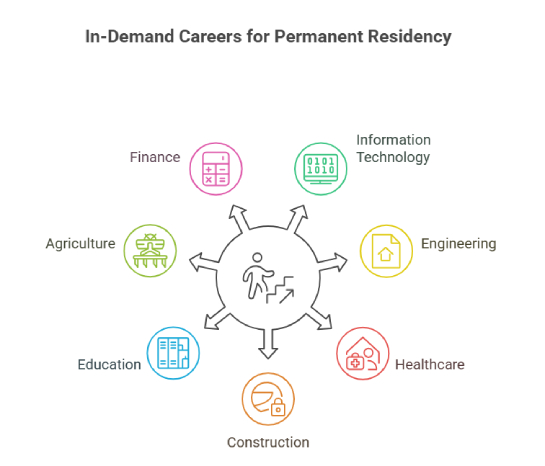
Some of the most in-demand career areas include:
- Information Technology
- Engineering
- Healthcare
- Construction and Skilled Trades
- Education and Teaching
- Agriculture, Food Technology and Environmental Science
- Finance, Accounting and Business Analytics
Eligibility Criteria for Permanent Residency After Studying in Australia
Eligibility for PR after studying in Australia varies by country, but most destinations expect graduates to meet specific requirements related to skills, qualifications and work experience.
Key eligibility criteria include:
- Relevant Qualification: Your course should align with an occupation in demand.
- Skilled Work Experience: Experience in a related field increases chances of PR approval.
- Language Proficiency: Meeting English or local language test requirements (IELTS, PTE, TOEFL, or equivalent).
- Valid Post-Study Work Visa: Allows time to work and meet PR eligibility criteria.
- Occupation in Demand: Your job must appear on the destination country’s skilled shortage or eligible occupation list.
- Clean Background & Health Checks: Police clearance, medical tests and proof of good character are required.
How to Apply for Permanent Residency After Studying in Australia?
The PR application process varies by country, but most systems follow a similar structure. Understanding the steps early can help you prepare documents, meet eligibility requirements and improve your chances of approval.
Step 1: Check Eligibility Requirements
Step 2: Confirm Your Occupation Is Eligible
Step 3: Complete the Required Language Test
Step 4: Gain Skilled Work Experience
Step 5: Prepare Supporting Documents
Step 6: Submit Your PR Application
Step 7: Wait for Processing and Move Once Approved
*Planning to apply for PR after studies? Get step-by-step guidance from Y-Axis experts.
FAQs
Can I get PR after studying in Australia?
Yes, you can get Permanent Residency after studying in Australia, but eligibility depends on your occupation, points, English level, and work experience. Many graduates first apply for a Temporary Graduate Visa (485) to gain experience before applying for PR through visas like 189, 190, 491, or employer sponsorship. Timelines vary based on demand and competition, but improving skills, gaining experience, and selecting an occupation on the Skilled Occupation List increases your chances.
Which country is best for Permanent Residency after studying in Australia?
The best country for PR after studying in Australia depends on your skills, occupation demand, and future plans. Canada is the most popular choice because of its clear points-based system and pathways like Express Entry and PNP. Other good options include New Zealand, the UK, Germany, Ireland, and the Netherlands, especially for skilled graduates. Comparing job demand, visa rules, post-study work rights, and long-term opportunities will help you choose the right country.
Is Canada easier for PR after studying in Australia?
Yes, Canada is considered one of the easier PR options for graduates because it values English skills, international education, and work experience. Pathways like Express Entry, PNP, and the Post-Graduation Work Permit make the process clearer and more structured. In-demand careers such as IT, engineering, healthcare, and trades have strong chances, making Canada an excellent choice for international students planning long-term settlement.
Can I move to the UK for PR after studying in Australia?
Yes, you can move to the UK for PR after studying in Australia if you meet visa eligibility requirements. The most common pathway is securing a Skilled Worker Visa with a UK employer. After five years of legal work, you may be eligible for Indefinite Leave to Remain (ILR), which is equivalent to Permanent Residency. The UK offers opportunities for skilled workers in healthcare, engineering, IT, education, and finance.
How long does it take to get PR after studying in Australia?
The timeline varies based on your visa pathway, occupation demand, and points. Some graduates secure PR in 1–3 years if they have relevant work experience and a high-demand occupation. For others, especially on regional pathways like the 491 visa, it may take longer. Improving English scores, gaining skilled work experience, and targeting states with shortages can speed up the process.
Is New Zealand a good option for PR after studying in Australia?
Yes, New Zealand is a good choice for PR after studying in Australia because it offers flexible pathways for skilled workers through the Skilled Migrant Category and employer-sponsored visas. If you secure a skilled job, you may qualify for residency within two to three years. Job demand is high in healthcare, construction, trades, IT, and engineering. Many graduates find the system more streamlined than Australia.
Which countries offer fast PR pathways for international graduates?
Canada, New Zealand, Germany, and Ireland are known for offering faster PR pathways to skilled graduates. These countries have structured post-study visa systems that allow you to gain work experience before applying for PR. Germany’s EU Blue Card route can lead to Permanent Residency in as little as 21–33 months. The best option depends on your occupation, qualifications, and long-term plans.
Do I need work experience to get PR after studying in Australia?
No, Work experience isn’t always required but greatly improves your chances of getting PR in Australia and other countries. Most countries prioritise skilled employment and sponsorship when assessing PR eligibility. In Australia, many students first work under a Temporary Graduate Visa (485) to gain local experience before applying for PR. Canada, New Zealand, and Germany also value relevant work history when assessing immigration points.
Is Germany good for PR after studying in Australia?
Yes, Germany is a strong PR option for graduates, especially those in STEM fields such as engineering, healthcare, IT, construction, and scientific research. With an Australian qualification and relevant experience, you can apply for the EU Blue Card and transition to Permanent Residency within 21–33 months. Germany also offers a Job Seeker Visa for qualified professionals.
What is the easiest country to get PR after studying in Australia?
Canada is often considered one of the easiest and most direct countries for PR after studying in Australia because of its points-based system, demand for skilled workers, and multiple migration pathways. New Zealand and Germany also offer competitive options depending on your occupation. The easiest country varies based on your qualifications, work experience, and skill demand.
Tags:
PR after studying in Australia
best countries for PR
immigration after study
global PR pathways
post-study migration options
international student PR guide
easier PR countries
Share
Latest Article
Popular Post
Trending Article
Posted On September 29 2026
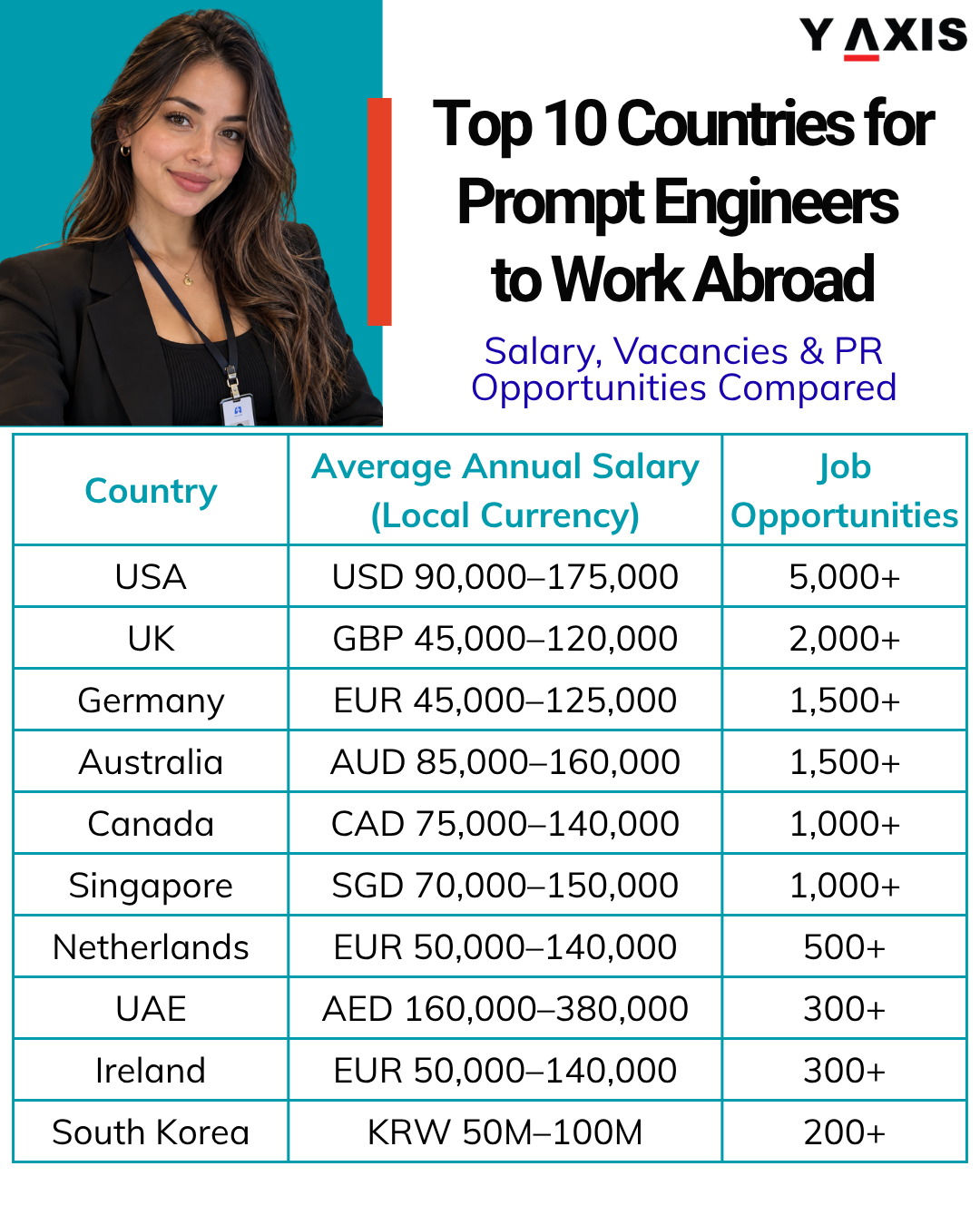
Top 10 Countries for Prompt Engineers to Work Abroad: Salary, Demand & PR Opportunities Compared